
Caesar Salad Dressing Recipe: The Complete Guide

Discover the history of Caesar salad dressing, how to make classic homemade recipes, and delicious variations to try! Plus, explore how BRIANNAS Asiago Caesar Dressing delivers rich, savory flavor without the prep.

SHOP GIFT SETS

Caesar Salad Dressing Recipe: The Complete Guide

In 1924, Caesar Cardini’s ran out of ingredients because his restaurant experienced a surge of customers during the 4th of July celebrations. So, he used what he had and served salad table-side to impress his guests. And with that, Caesar salad was born.

Today, Caesar salad dressing is one of the most recognizable dressings in the world. And Caesar salad is the second-most popular type in America. You’ll find a version served in most restaurants and the dressing in bottled form in grocery stores. BRIANNAS Asiago Caesar Dressing is known for its rich, delicious flavor using aged Asiago Cheese and umami without the addition of anchovies.

What Is Caesar Salad Dressing?

But first: What is Caesar salad dressing made of? It’s actually made from basic ingredients. This dressing is usually made from anchovies, egg yolk, lemon, garlic, and Parmesan. You just emulsify the ingredients into a creamy, cohesive dressing.

However, you can use Caesar dressing beyond salads. Use it as a dip, a spread, a marinade, or even a pasta sauce.

Caesar Salad Dressing Ingredients

Here's what you need to make Caesar dressing from scratch.

  • Extra Virgin Olive Oil, Avocado Oil or Canola Oil: This is the foundation of the emulsion.
  • Egg Yolk or Mayonnaise: It binds the oil and acid together.
  • Anchovy Fillets or Anchovy Paste: These add the savory depth Caesar is known for.
  • Fresh Garlic: Grate it fine so it blends evenly.
  • Fresh Lemon Juice: This keeps the dressing bright and balanced.
  • Dijon Mustard: It acts as a secondary emulsifier and adds a subtle layer of flavor.
  • Worcestershire Sauce: A small amount rounds out the savory notes.
  • Freshly Grated Parmesan: Stir this in last for a slightly salty finish.
  • Salt and Freshly Cracked Black Pepper: Season to taste.

Ingredient Quality Tips

Freshly squeezed lemon juice is non-negotiable in Caesar. For anchovies, go with fillets packed in olive oil. And when it comes to garlic, a microplane gives you a fine paste that blends seamlessly into the emulsion.

The Classic Caesar Salad Dressing Recipe

This Caesar salad dressing recipe uses the traditional bowl-and-whisk method. In just about 10 minutes, you get a homemade Caesar salad dressing that's richer and fresher than anything store-bought. There’s also an easier version that replaces raw egg yolk with mayonnaise.

Recipe 1: The Classic Version

Yield: About 1 cup (serves 4 to 6) 

Prep Time: 10 minutes (+15 minutes resting time) | Total Time: 25 minutes

Ingredients

  • 2 garlic cloves, grated
  • 4 anchovy fillets or 1 tsp anchovy paste
  • 1 egg yolk
  • 2 tbsp fresh lemon juice
  • 1 tsp Dijon mustard
  • 1 tsp Worcestershire sauce
  • ½ cup extra virgin olive oil
  • ¼ cup freshly grated Parmesan
  • Salt and freshly cracked black pepper to taste

Instructions

  1. Grate the garlic into a wide, shallow bowl.
  2. Add the anchovy fillets and mash them into a paste using the back of a fork.
  3. Add the egg yolk, lemon juice, Dijon mustard, and Worcestershire sauce. Whisk until combined.
  4. Slowly drizzle in the olive oil while whisking constantly. Keep the stream thin at first to build the emulsion.
  5. Once the dressing thickens, stir in the Parmesan.
  6. Taste and adjust. Add more lemon juice for brightness, salt for depth, or a dash of Worcestershire for extra umami.

Recipe 2: The Easy Version

This version replaces raw egg with mayo, reduces the chances of breaking the dressing, and halves the prep time.

Yield: About 1 cup (serves 4 to 6) 

Prep Time: 5 minutes (+15 minutes resting time) | Total Time: 20 minutes

Ingredients

  • 2 garlic cloves, grated
  • ⅓ cup mayonnaise
  • 2 tbsp fresh lemon juice
  • 1 tsp Dijon mustard
  • 1 tsp Worcestershire sauce
  • ⅓ cup extra virgin olive oil (add a bit more if the dressing is too thin)
  • ¼ cup freshly grated Parmesan
  • Salt and freshly cracked black pepper to taste

Instructions

  1. Grate the garlic into a wide, shallow bowl.
  2. Add the egg yolk, lemon juice, Dijon mustard, and Worcestershire sauce. Whisk until combined.
  3. Slowly drizzle in the olive oil while whisking constantly. Keep the stream thin at first to build the emulsion.
  4. Once the dressing thickens, stir in the Parmesan.
  5. Taste and adjust. Add more lemon juice for brightness, salt for depth, or a dash of Worcestershire for extra umami.

Pro Tips for the Best Result

These small adjustments make a noticeable difference.

  • Use a Wide, Shallow Bowl: Pair it with a small whisk for more control when building the emulsion.
  • Rub the Bowl with Garlic: Do this before adding any ingredients. It adds a subtle background note without overpowering the other flavors.
  • Add Parmesan Last: Stir it in after the emulsion sets. Adding it too early can break the texture.
  • Rest Before Serving: Let the dressing sit for at least 15 minutes so the flavors can come together.

Storage Instructions

Keep these in mind to get the most out of your batch.

  • Refrigerate Immediately: Homemade Caesar keeps in the fridge for up to 5 to 7 days.
  • Use Within the Week: The raw egg yolk is why it doesn't last as long as a vinaigrette. Keep it cold and don't push past day 7.
  • Store in an Airtight Glass Jar: Give it a quick stir before each use since it may separate slightly after sitting.

Caesar Dressing Variations

Once the base is right, it takes a few directions well.

Easy Caesar Dressing with Mayo

See our classic Caesar salad dressing recipe (Recipe 2: The Easy Version) above.

Best Uses: A beginner-friendly option when you want Caesar dressing fast.

Vegan Caesar Salad Dressing

Replace the egg yolk with cashew cream or silken tofu. Use capers, miso, or nori in place of anchovies and nutritional yeast for Parmesan.

Best Uses: Vegan grain bowls and roasted vegetable salads.

Keto / Low-Carb Caesar Dressing

If you want a true keto Caesar dressing, check your Worcestershire sauce label because some versions contain added sugar. Keep in mind that store-bought Caesar dressings can also carry hidden carbs.

Best Uses: Keto Caesar salads and lettuce-wrapped grilled chicken.

Lighter Caesar Dressing

Swap half the olive oil for Greek yogurt or low-fat mayo. Pull back on the Parmesan and lean on lemon juice for brightness instead.

Best Uses: Everyday salads and meal prep lunches.

Creamy Garlic Caesar Variation

Double the garlic and add a touch of roasted garlic for a deeper, more complex flavor. Roasting mellows the sharpness and adds a slightly sweet, nutty note that raw garlic can't replicate.

Best Uses: Caesar pasta salad, garlic bread spread, and grilled chicken marinade.

How to Use Caesar Dressing Beyond the Classic Salad

There are more uses for Caesar dressing than you might think. If you're wondering what to do with Caesar dressing beyond the basic salad, here are a few ideas.

As a Salad Dressing

Use it as a dressing for salads like classic romaine Caesar, kale, and chopped Caesar. It also goes well with Caesar pasta salad.

As a Marinade

Caesar salad dressing also works as a marinade for chicken (1 to 4 hours), salmon (20 to 30 minutes), and pork tenderloin (2 to 4 hours). Try it in our Grilled Asiago Caesar Shrimp recipe.

As a Sauce or Dip

Use your Caesar dressing as a dipping sauce or spread. Drizzle it over roasted vegetables or as a finishing sauce.

Caesar Dressing vs. Ranch: What's the Difference?

Caesar vs. ranch dressing: What’s the biggest difference between the two? 

  • Caesar is built on anchovies, Parmesan, and lemon. It’s umami-forward and tangy. Also, Caesar has a thinner emulsion. 
  • Ranch gets its flavor from buttermilk, sour cream, and herbs like dill and chive. That makes it creamy and herb-driven. It’s also noticeably thicker.

Use Caesar when you want something savory and complex. 

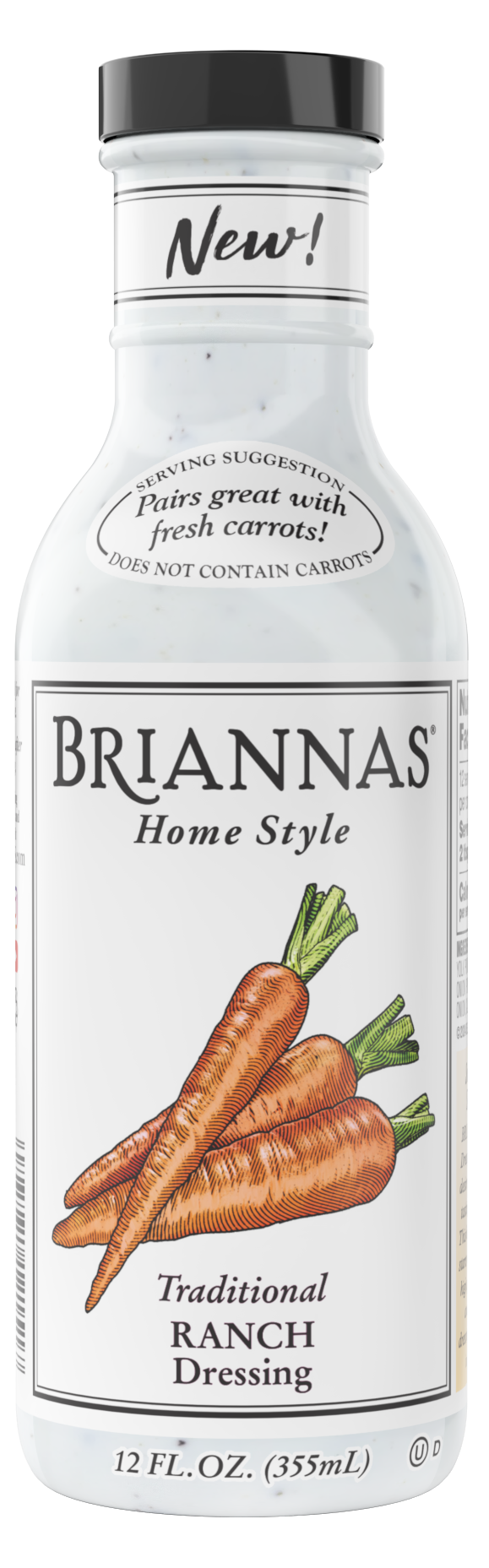
Choose ranch when you need something mild. Try BRIANNAS Traditional Ranch dressing if you’re interested.

Skip the Prep: Caesar Dressings from BRIANNAS for When You Want It Ready Now

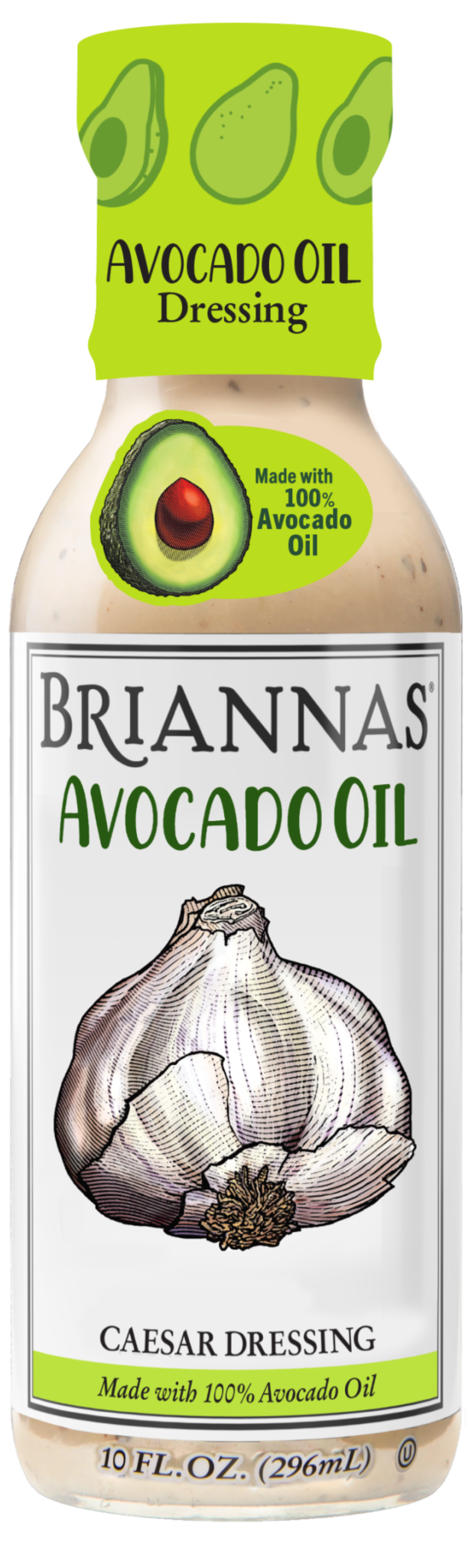
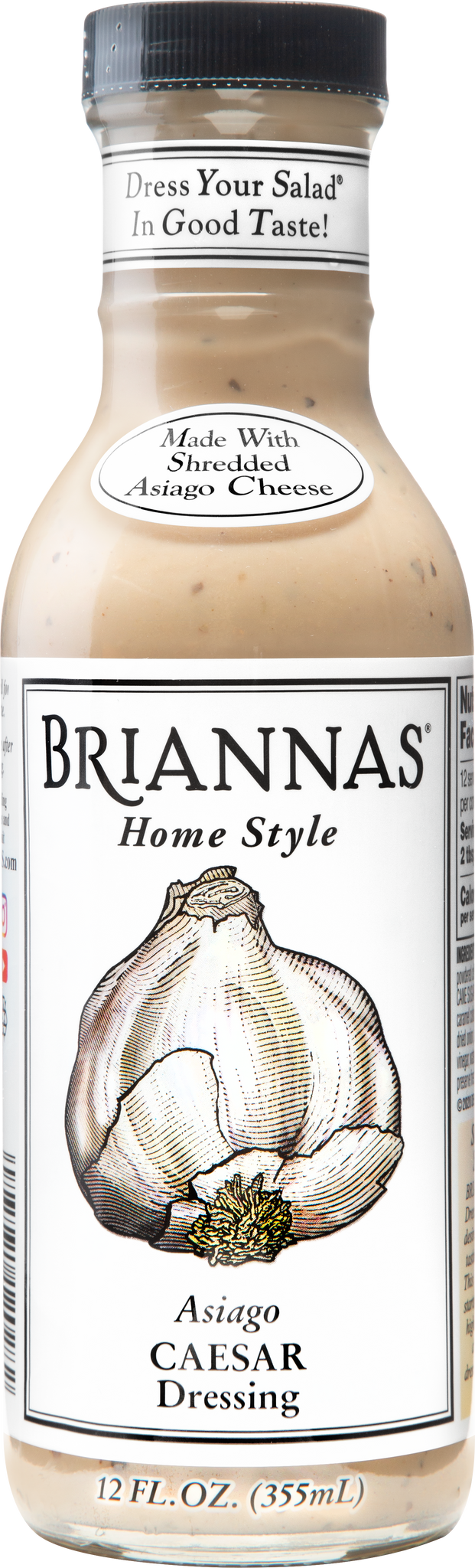
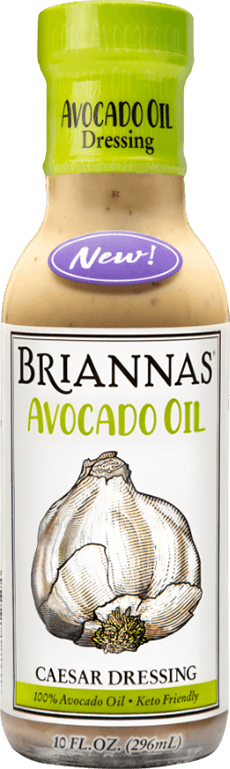
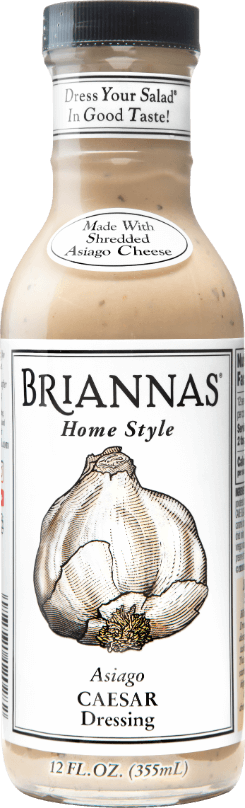
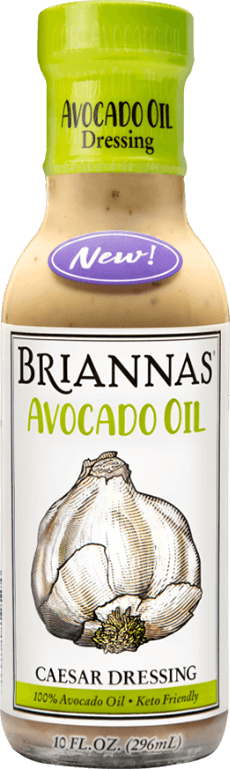
If you'd rather skip the prep, BRIANNAS offers two ready-made Caesar dressing alternatives: Avocado Oil Caesar and Home Style Asiago Caesar. 

We've been making dressings since 1982, in small batches with premium ingredients. And according to 2026 Nielsen data, we're a top-three Caesar dressing in the US.

Why BRIANNAS Is a Worthy Alternative to Homemade

What makes our salad dressings just as good as something you make from scratch?

  • Premium Ingredients: We use aged Asiago for our Home Style and have all the rich flavor without anchovies.
  • Consistent Flavor: The taste is the same every time you open a bottle. 
  • Everyday Versatility: A natural fit for busy weeknights.

The Hero Products

Our Avocado Oil Caesar is a creamy, dairy-free dressing made with avocado oil, balsamic vinegar, garlic, and cracked black pepper. It's also dairy-free, which is unusual for a Caesar.

Our Asiago Caesar is made with shredded Asiago cheese and cracked black pepper. It delivers a signature Caesar flavor with no anchovies at all.

Croutons to Complete the Salad

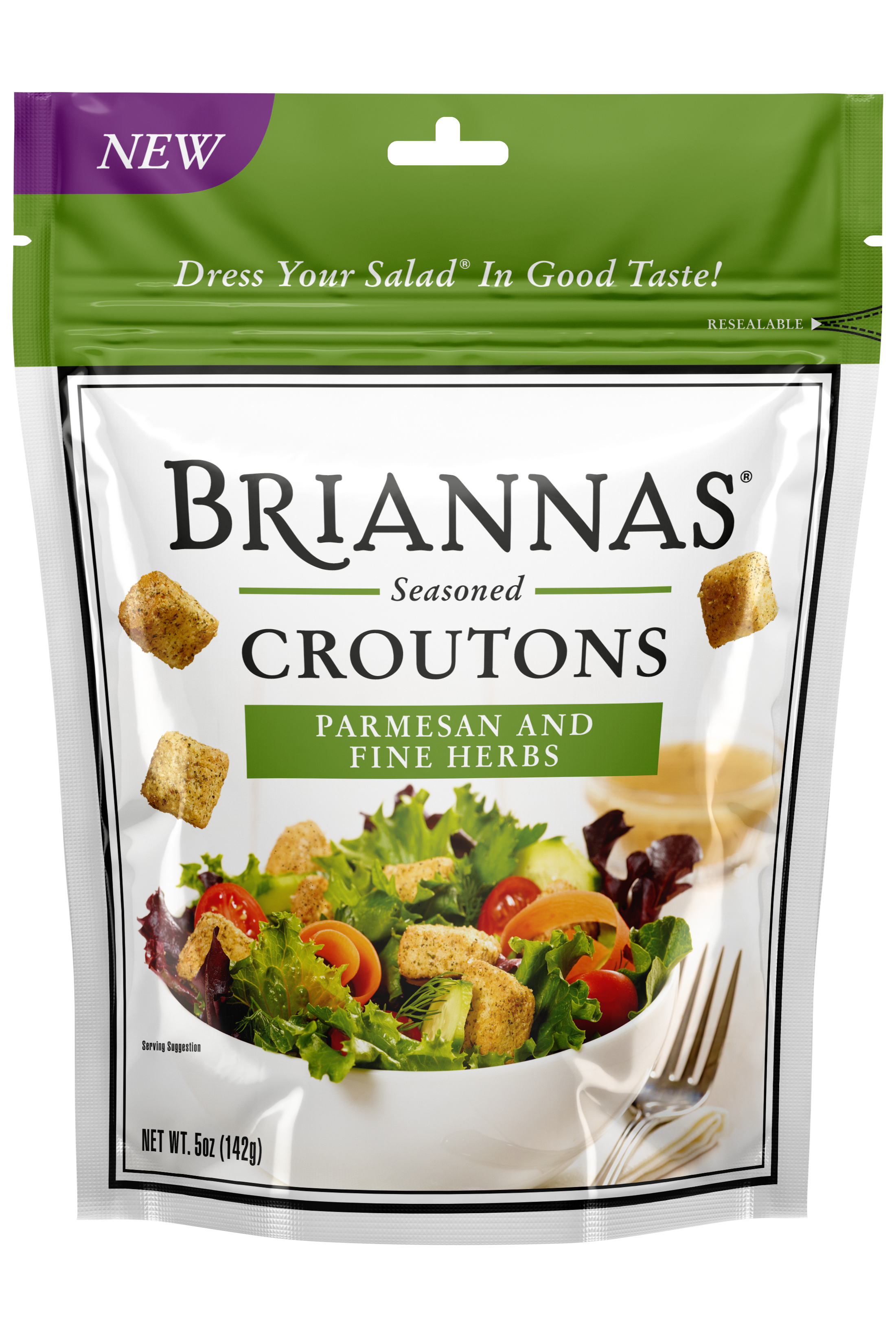
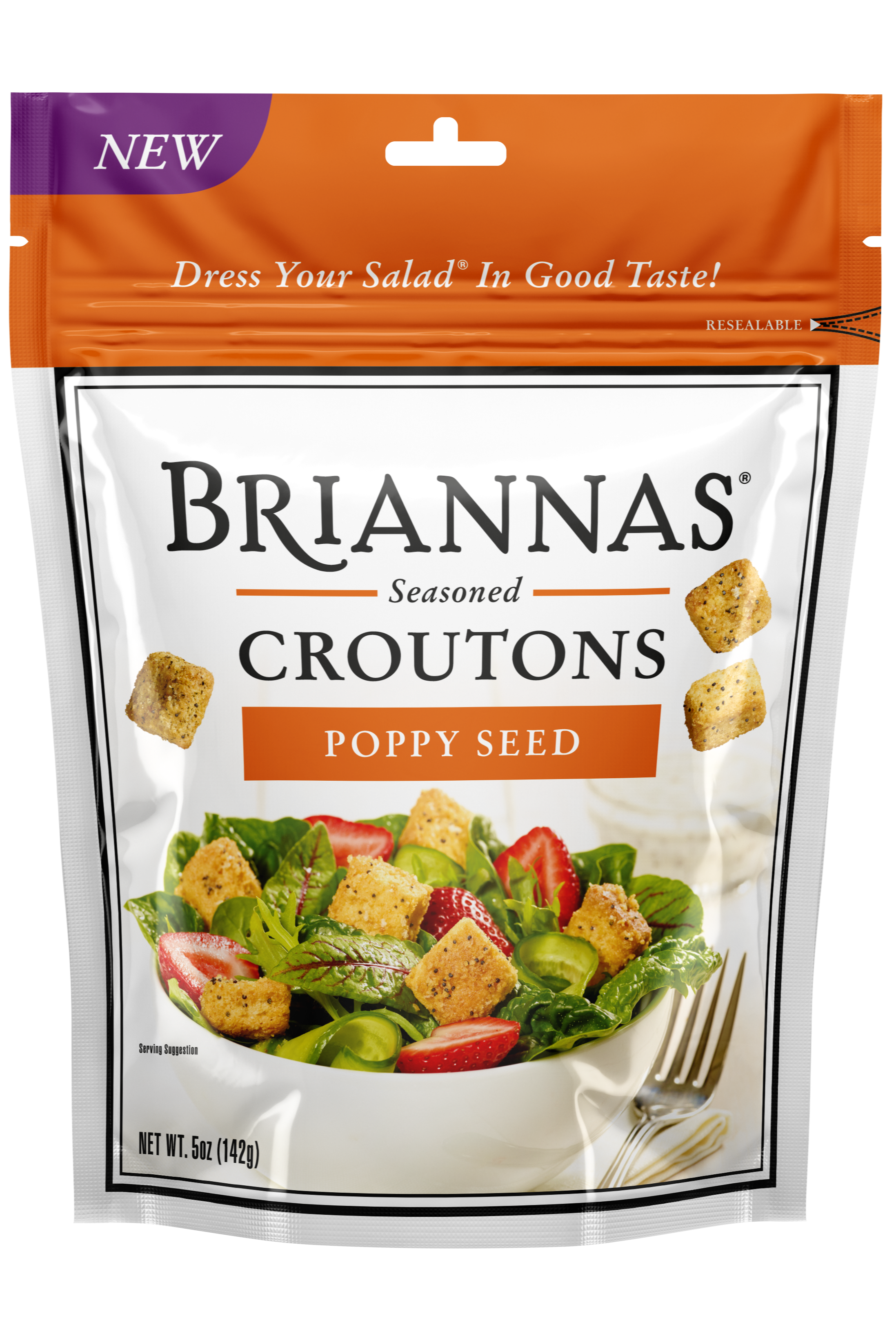
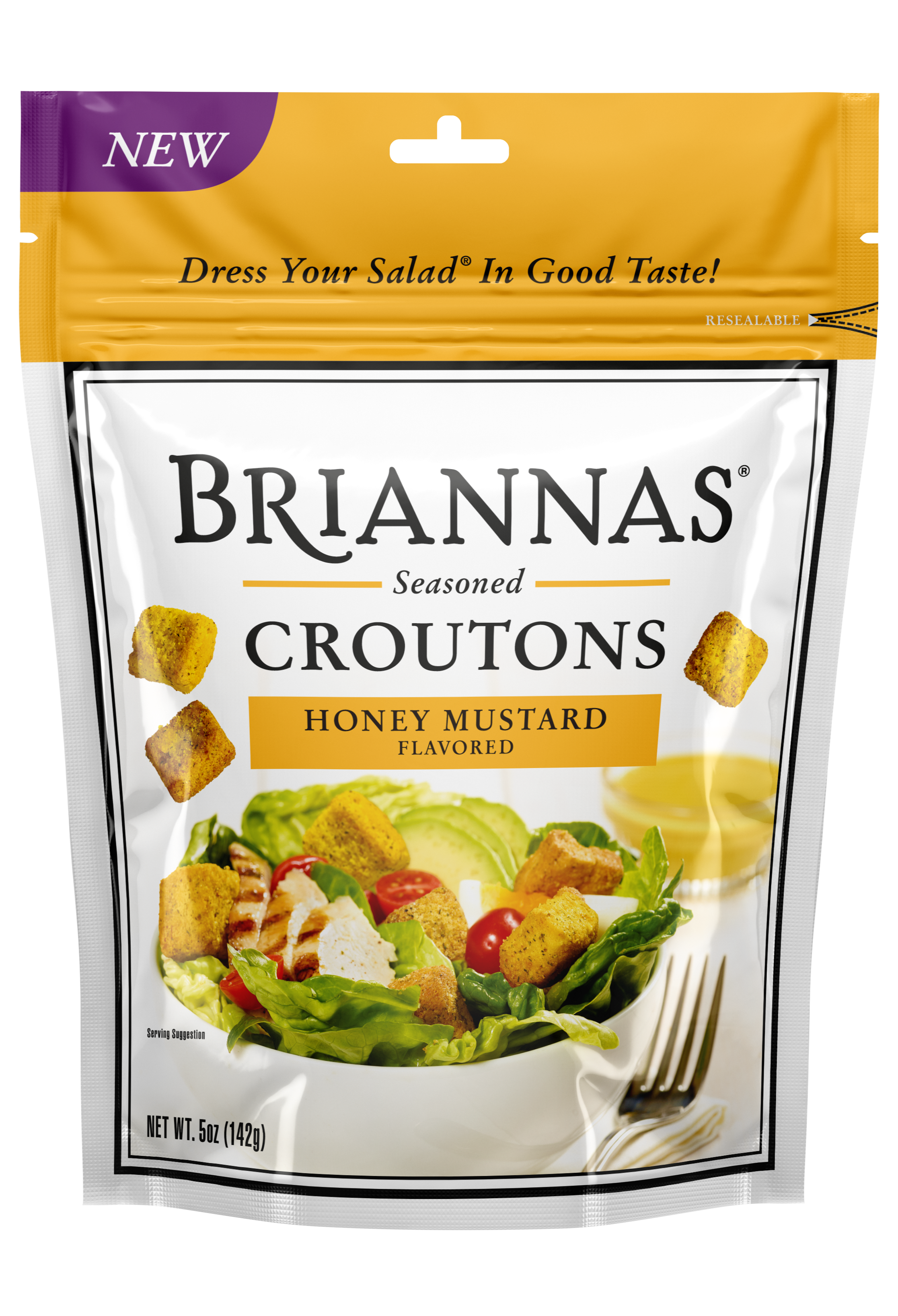
Did you know BRIANNAS also offers croutons? We started baking croutons in 2023.

If you don’t feel like making homemade croutons, give these a try.

Complementary Products Worth Exploring

If you want an alternative to our Caesar salad dressing picks, here are a few options.

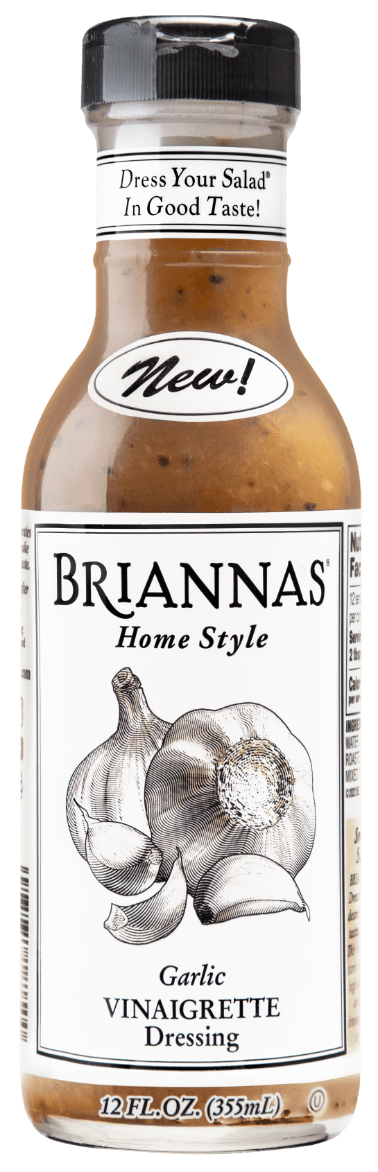
  • Garlic Vinaigrette: A sweet and savory blend of garlic, oil, and cracked black pepper. Use this when a full Caesar feels too heavy.
  • Creamy Blue Cheese: A thick, rich blue cheese dressing with a slightly sweet finish. It’s a strong alternative to Cobb-style salads.

If you’d rather make your own, toss day-old bread and toss it in olive oil, garlic, salt, and Parmesan before baking at 375°F until golden. Re-crisp them in the oven at 300°F for a few minutes if they soften before use.

Recipe Ideas Using BRIANNAS Caesar Dressings

Our Caesar dressings are ready to use straight from the bottle. Here are six ways to put them to work.

Frequently Asked Questions (FAQs)

What is Caesar salad dressing made of?

Caesar salad dressing is usually made with egg yolk, anchovies, garlic, fresh lemon juice, Dijon mustard, Worcestershire sauce, extra-virgin olive oil, and freshly grated Parmesan.

How long does homemade Caesar dressing last in the fridge?

Homemade Caesar dressing keeps for up to 5 to 7 days in an airtight container in the fridge.

Can you make Caesar dressing without anchovies?

Yes. Capers, worcestershire, miso paste, or nori flakes are solid substitutes.

What is a traditional Caesar dressing?

Traditional Caesar dressing is made by emulsifying raw egg yolk with olive oil, anchovies, garlic, and lemon juice. Dijon mustard and Worcestershire sauce round out the flavor. Parmesan gets stirred in at the end.

What's the secret to a great Caesar dressing?

Add oil slowly while whisking constantly so the dressing comes together smoothly. Don't skip the anchovies. Always use freshly grated Parmesan instead of pre-shredded.

BRIANNAS
Home Style

Born in a family kitchen, BRIANNAS conventional dressings continue to represent the best of home style foods.

Latest Reviews

Explore Recipes

Dressing
Meal Type
Main Ingredients